


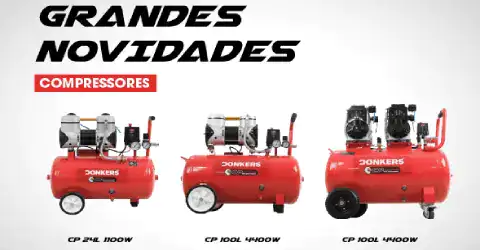
The compressor is the lifeblood of any workshop, and there's no doubt about that. Today we'll move on to the next step: choosing the right capacity and power. These are the two numbers that separate a compressor that's a pleasure to use from one that always falls short.
With Oil or Without Oil?
Without oil: zero maintenance and clean air, ideal for home use and painting.
With oil: longer lifespan in intensive use.
Tank: The Right Liters
- 6–24 L - inflating tires, small jobs with a blow gun;
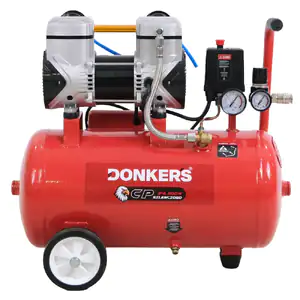
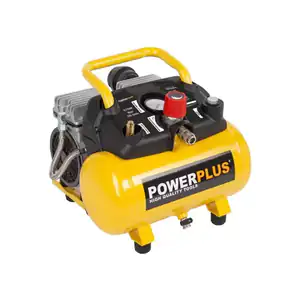
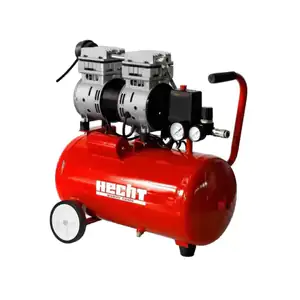
(Click on products to learn more)
- 50 L - the balance for DIY: spot painting, lightweight pneumatic tools;
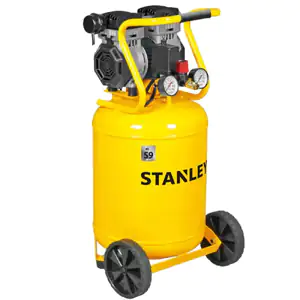
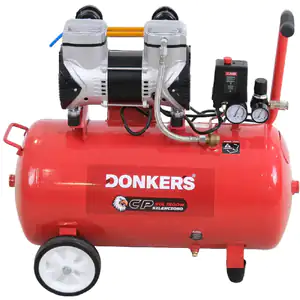
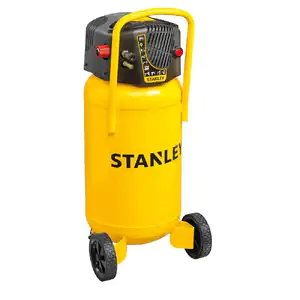
(Click on the products to learn more)
- 100–200 L or more - workshop and professional use: impact wrenches and continuous painting.
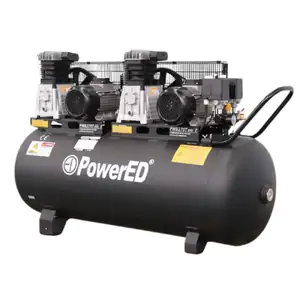
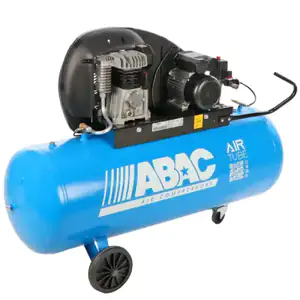
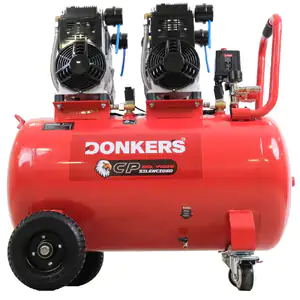
(Click on the products to learn more)
The Number Almost Everyone Ignores: Air Flow
More important than power is the air flow rate (L/min). Add up the consumption of the tools you will connect and ensure that the compressor delivers with a margin above this value. This is what prevents constant stops to refill the tank!
Frequently Asked Questions
Which compressor for painting?
Prefer a 50 L or larger tank and ample air flow. Painting requires continuous and stable air.
What pressure do I need?
Most tools work at 6 - 8 bar. Any good compressor will do, the flow rate is what matters.
Is single-phase enough?
Up to medium tanks, yes. For workshops with high consumption, consider three-phase!
Do the math at Bernardinos
Tell us which tools you will connect and we will size the compressor. We have the main brands, accessories and our own service!
Comments
Leave your comment!