


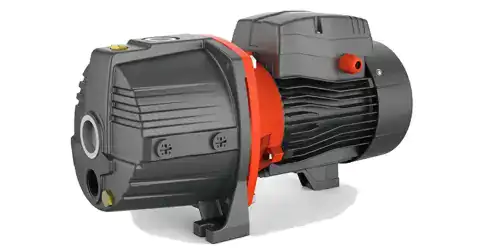
Whether for domestic, agricultural or industrial use, electric pumps are vital equipment that ensure water (or other fluids) reaches where it is needed with the correct pressure. At Bernardinos, we know that choosing the right equipment is not just a matter of power, but also of efficiency and durability.
In this article we will explore what they are, how they work and how to choose the ideal electric pump for your needs!
What are Electric Pumps?
An electric pump is a piece of equipment that combines an electric motor with a hydraulic pump, which allows it to Movement of liquids (such as water, oils, or chemicals) from one point to another.
The main function of an electric pump is to convert electrical energy into mechanical energy, creating sufficient pressure to move the fluid through pipes or systems.
It is composed of two main parts:
-
Electric Motor: The energy source that drives the system.
-
Pump: The mechanical part that comes into contact with the liquid and moves it.
Types of Electric Pumps and their applications
Not all pumps are the same! The choice depends directly on the originof the water and the purposeyou want to give it.
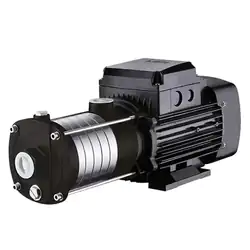
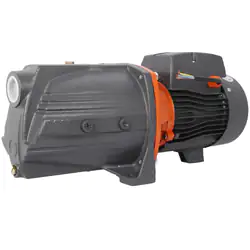
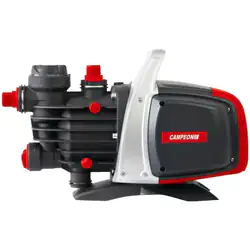
Surface Electric Pumps
Ideal for drawing water from shallow wells (up to 8-9 meters), tanks or cisterns. They are widely used for watering gardens or to increase the pressure of the domestic water supply.

Submersible Electric Pumps
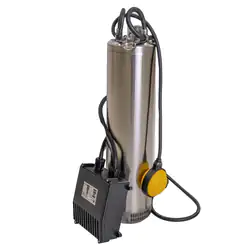
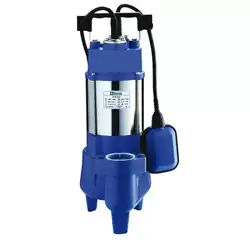
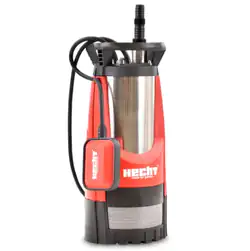
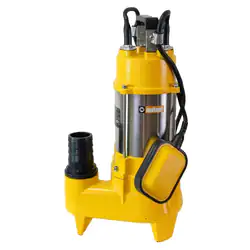
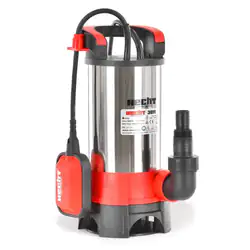
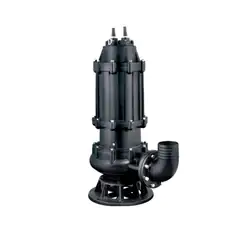
As the name indicates, these pumps work submerged in the liquid. They are divided into two main groups: For clean water: Used in deep artesian wells. For wastewater (sewage): Designed to drain dirty or flooded water, with the capacity to pump solid particles. Submersible Electric Pumps for Water Clean

Submersible Electric Pumps for Dirty Water

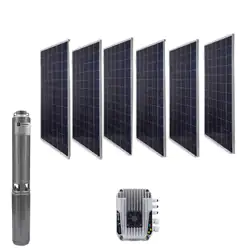
Solar Electric Pumps
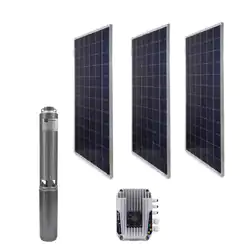
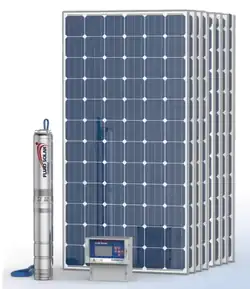
Solar electric pumps represent the logical evolution for water management, especially in agricultural or local areas. remote areas without access to the traditional electricity grid. Unlike conventional pumps, these work directly with energy captured by photovoltaic panels.

How to choose the ideal electric pump?
1. Type of Liquid - It is important to know if the liquid is clean, dirty, corrosive, or contains solids. 2. Required Flow Rate - Refers to the amount of liquid that needs to be moved in a given period. 3. Manometric Head - Corresponds to the height that the liquid needs to reach. It is a crucial factor in choosing the equipment! 4. Motor Power - It must be adequate to the system requirements, thus ensuring efficiency without wasting energy. 5. Installation Environment - Indoor, outdoor, submerged or exposed to adverse conditions.
Maintenance and Best Practices
To avoid premature failures, follow these basic recommendations:
-
Never work dry: Water serves as a lubricant and coolant. Without it, the seals burn out quickly. Check the electrical connections: Oxidation on the contacts can cause voltage drops and burn out the motor. Check the ice: In winter, if the pump is outdoors and stationary, drain the water from the pump body to prevent freezing from cracking the metal. #236fa1;">Conclusion
At Bernardinos, we have a wide range of solutions and specialized technicians ready to help you make the correct hydraulic calculation for your specific case.
Need help choosing your electric pump? Visit our facilities or contact us. We move the water for you!
Comments
Leave your comment!