Online Support
232 424 626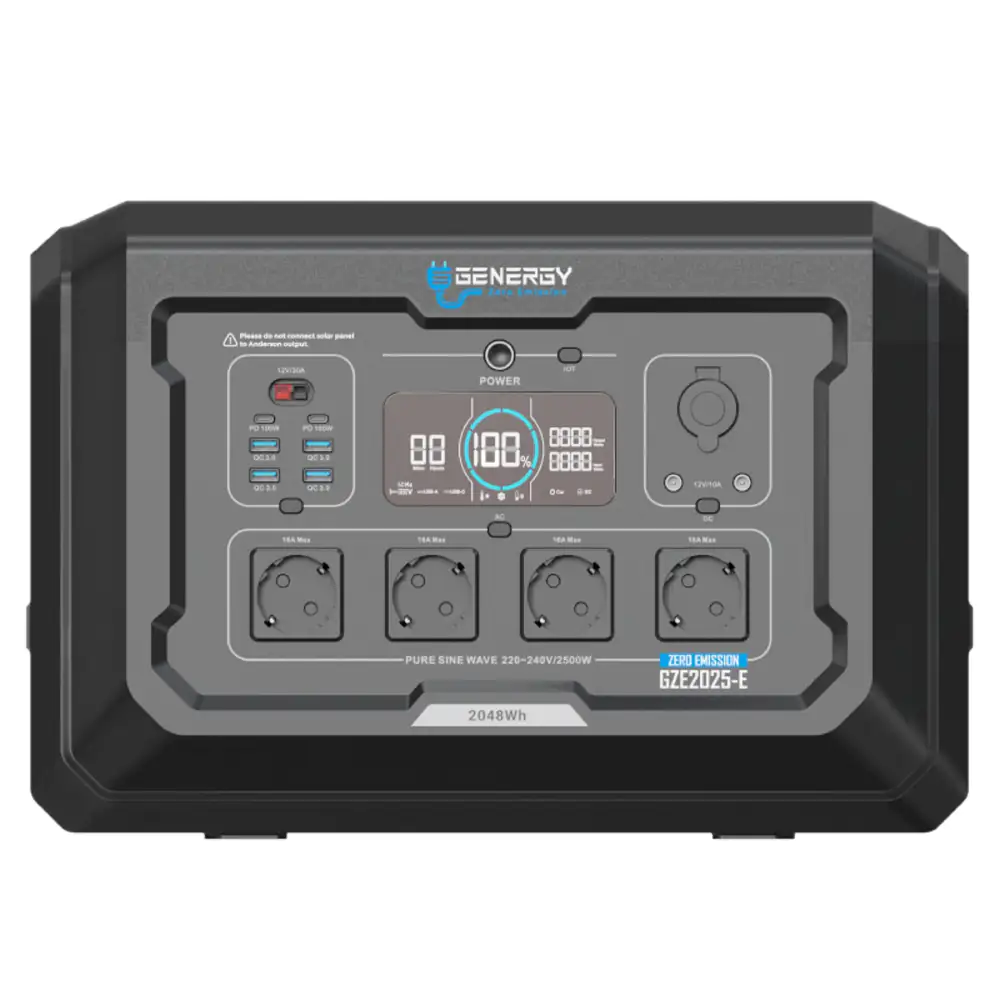

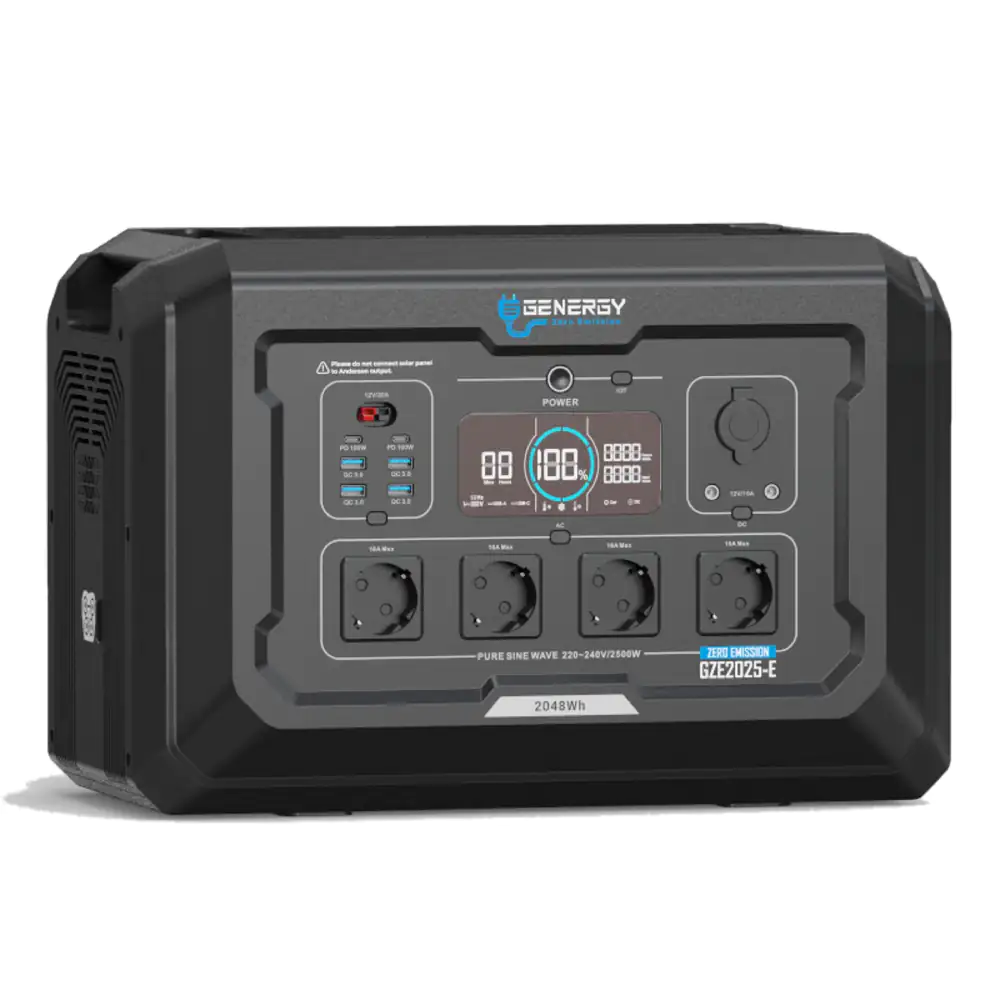
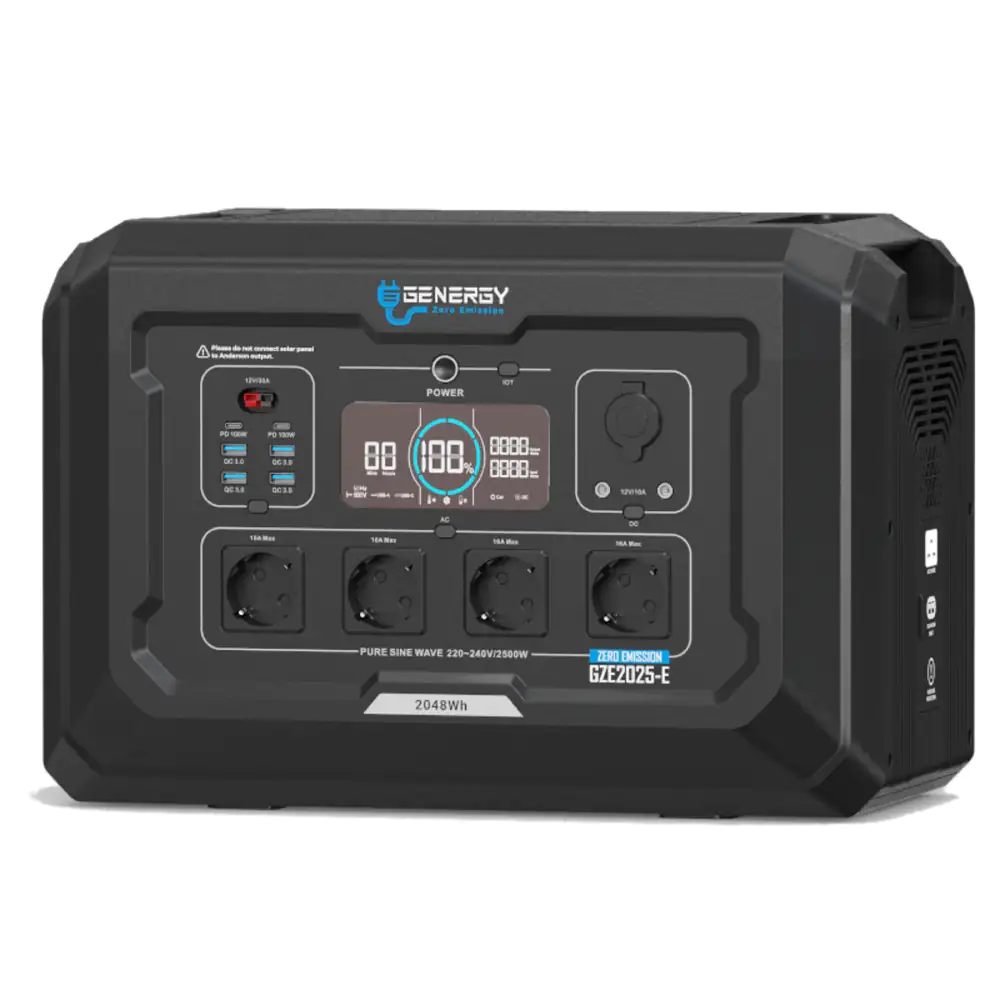
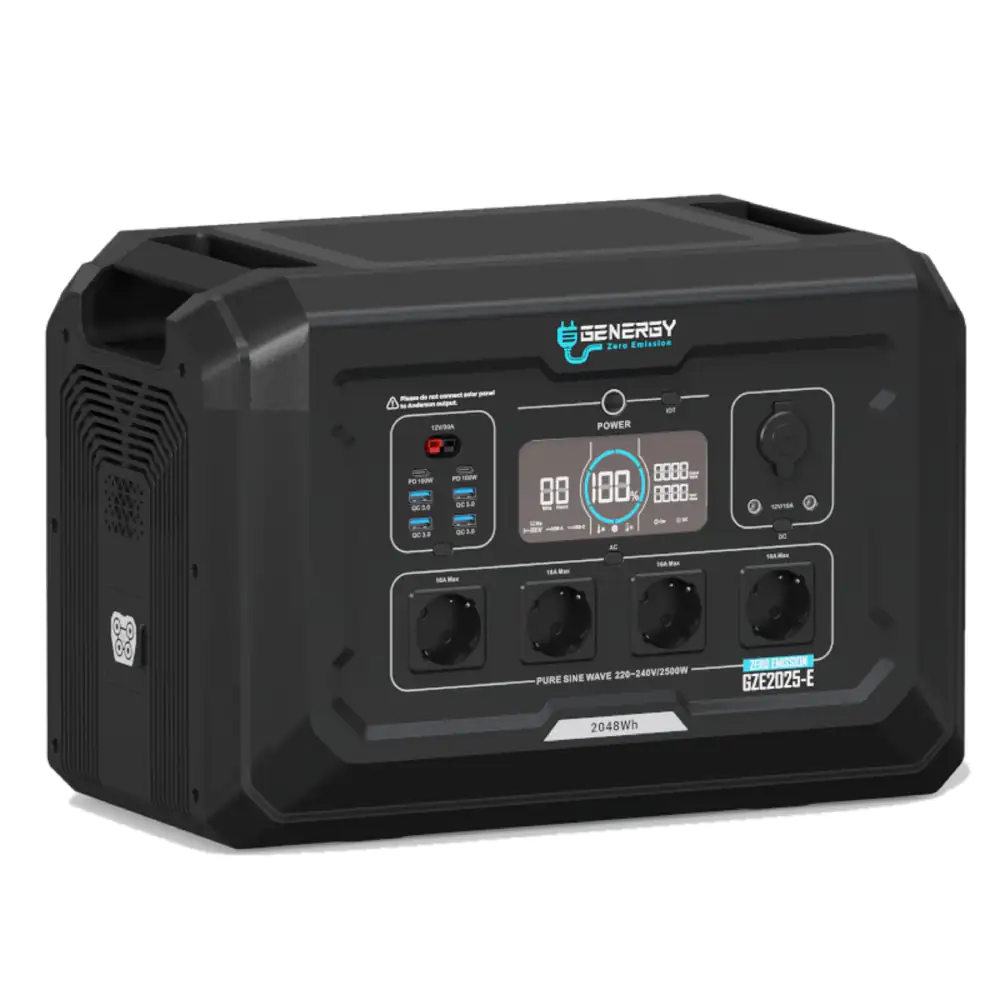



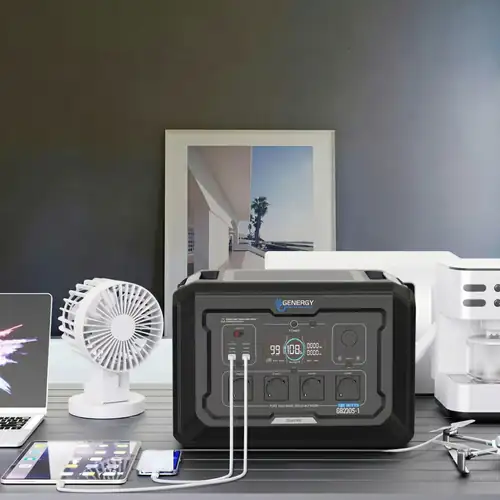
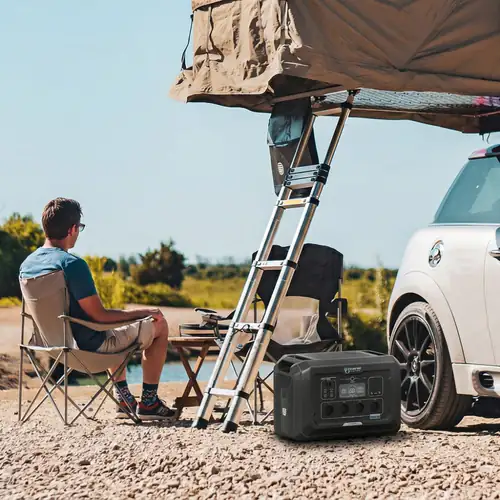
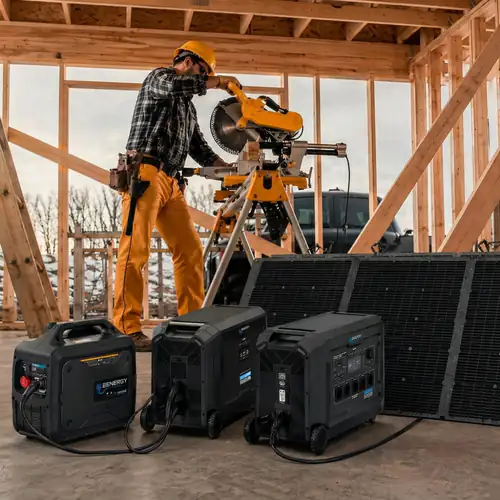
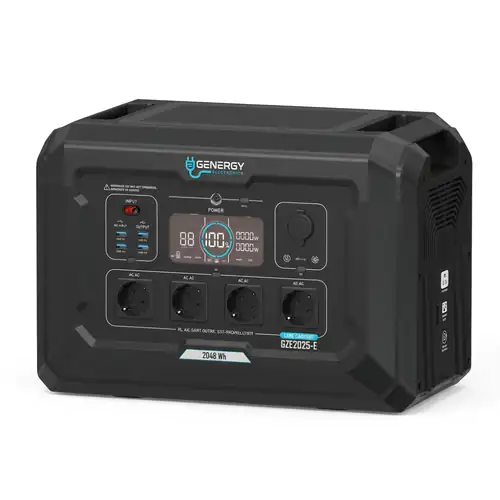
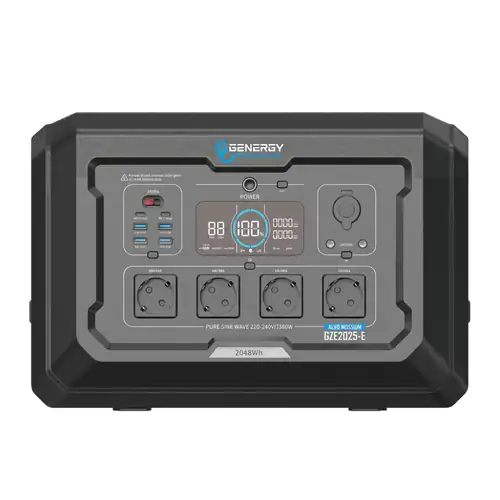
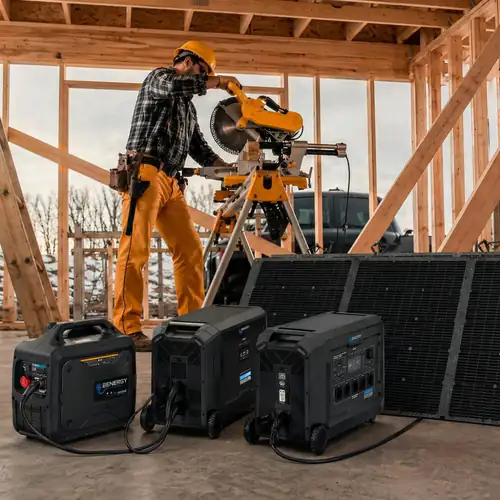
With a input power of 1600 W from the electrical grid, it can reach up to 80% charge in approximately 1 hour and a full charge in about 1.5 hours.
The Anderson solar input, with a maximum power of 2100 W, works with an integrated MPPT controller, which optimizes the use of solar energy for battery charging.
Charging time via solar panels depends on the number of panels used (they can be connected in series), their respective power, and solar exposure conditions.
Notes:
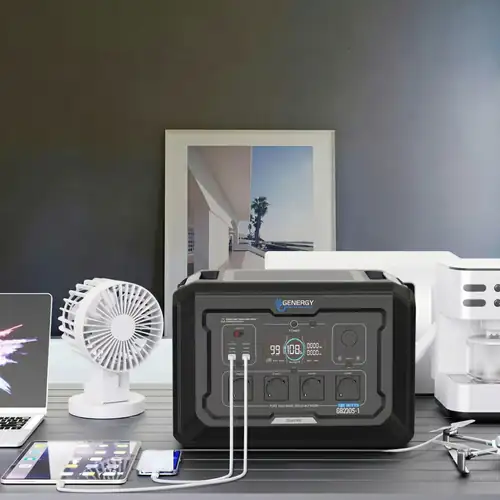
It also has a UPS (uninterruptible power supply) function, designed to ensure power to compatible equipment during power outages, such as computers, security cameras, NAS systems and office equipment.
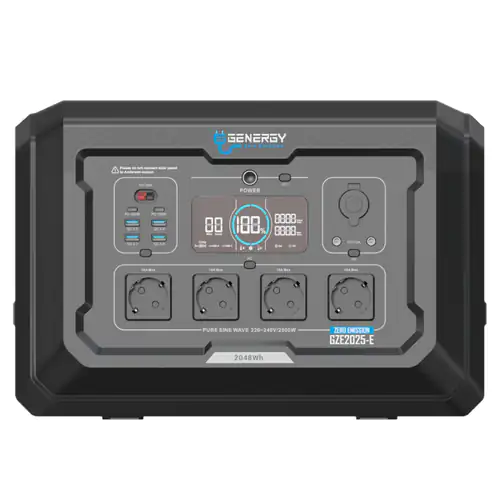
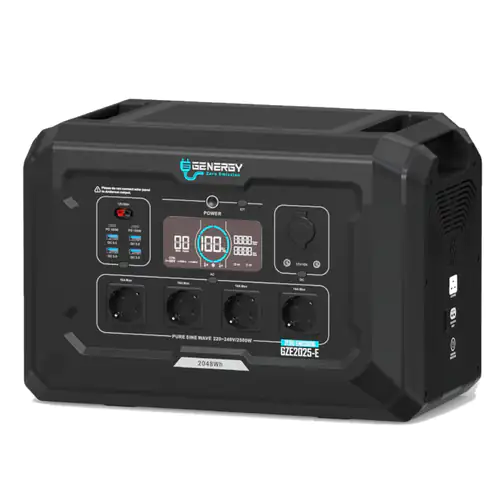
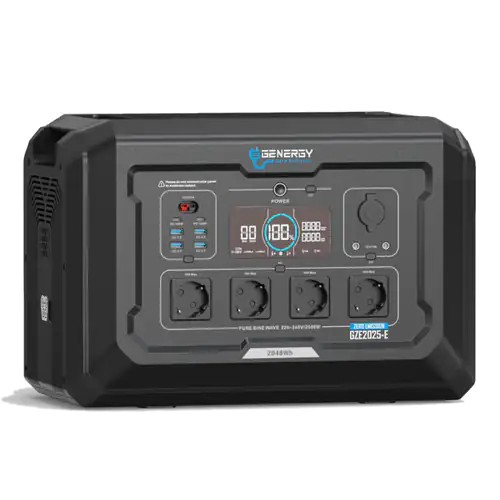
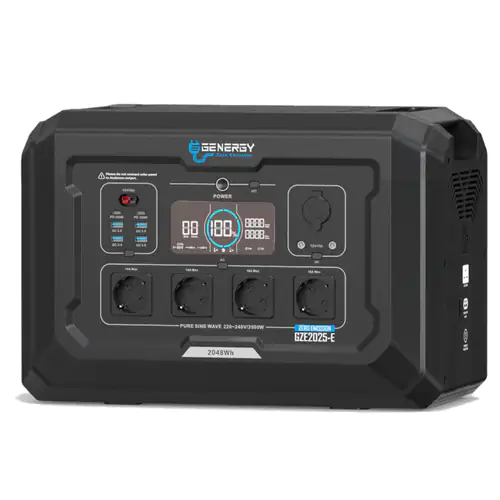
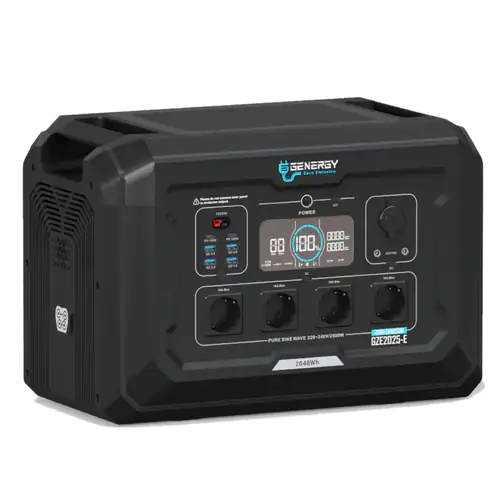
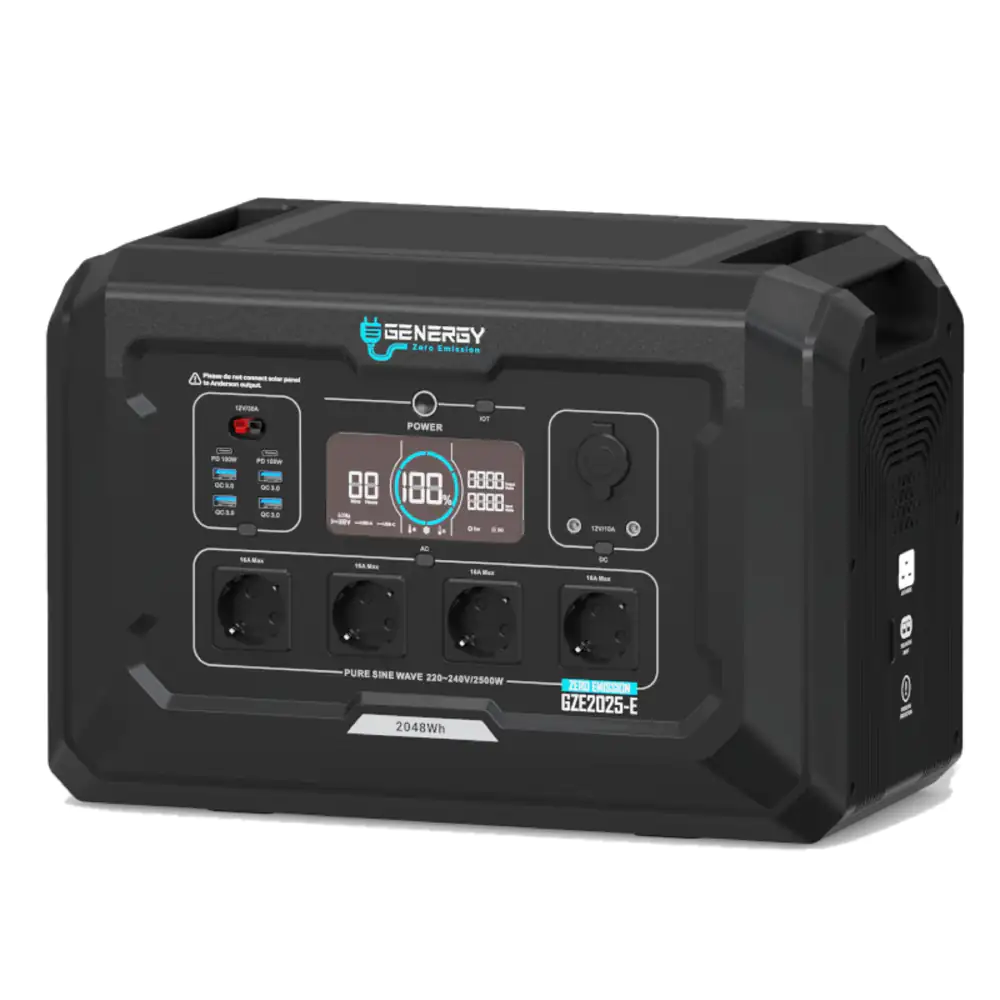
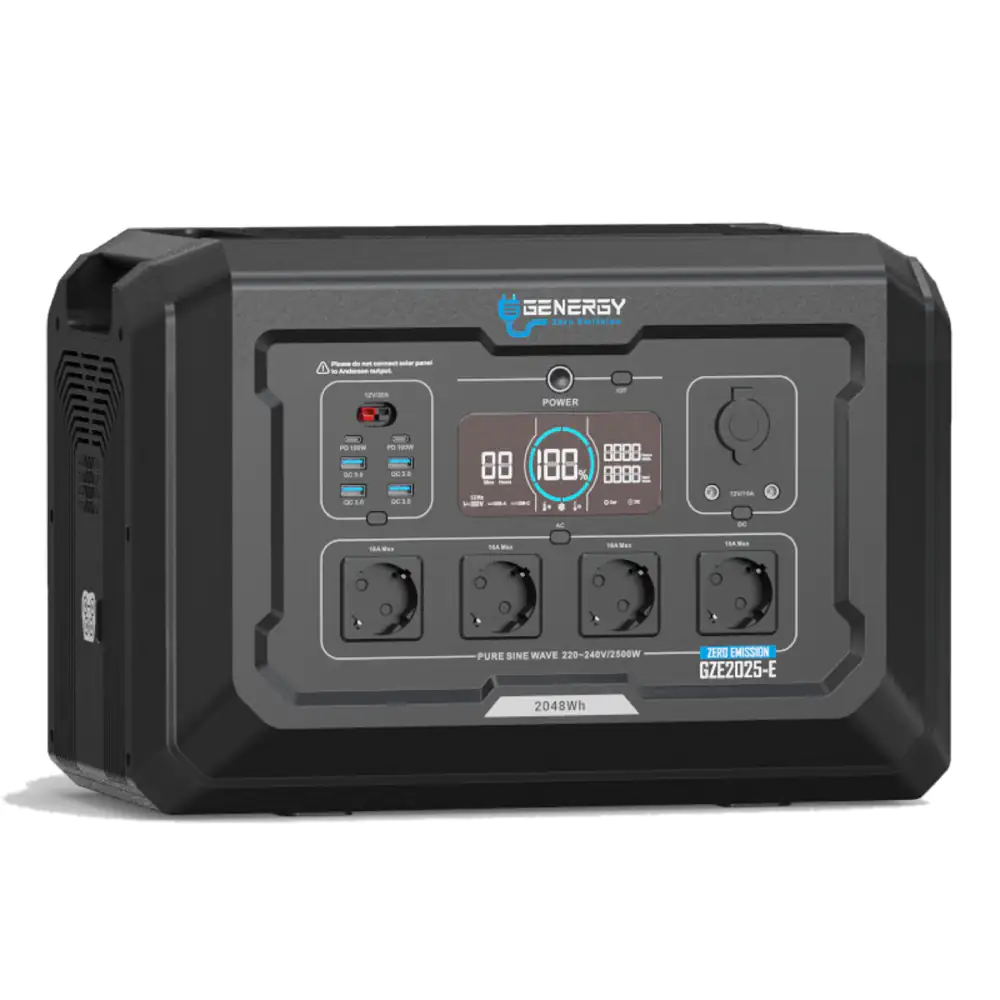
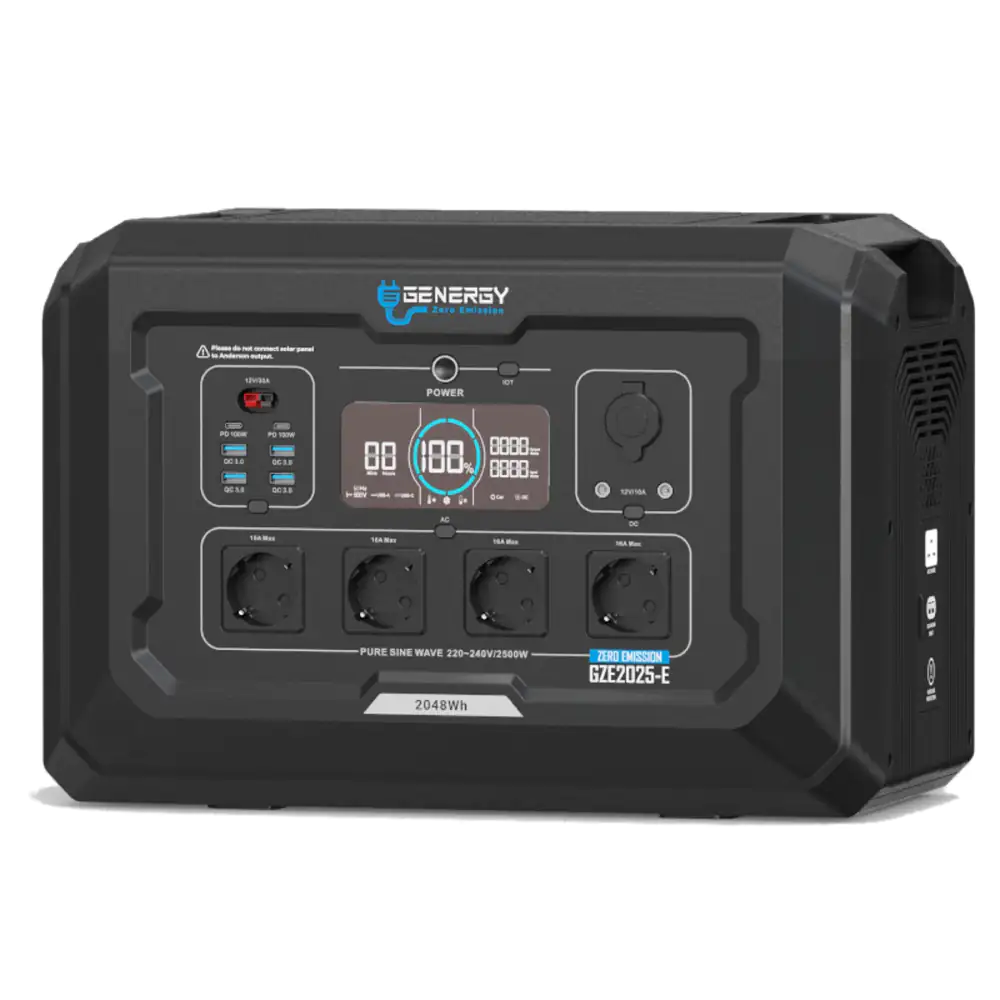
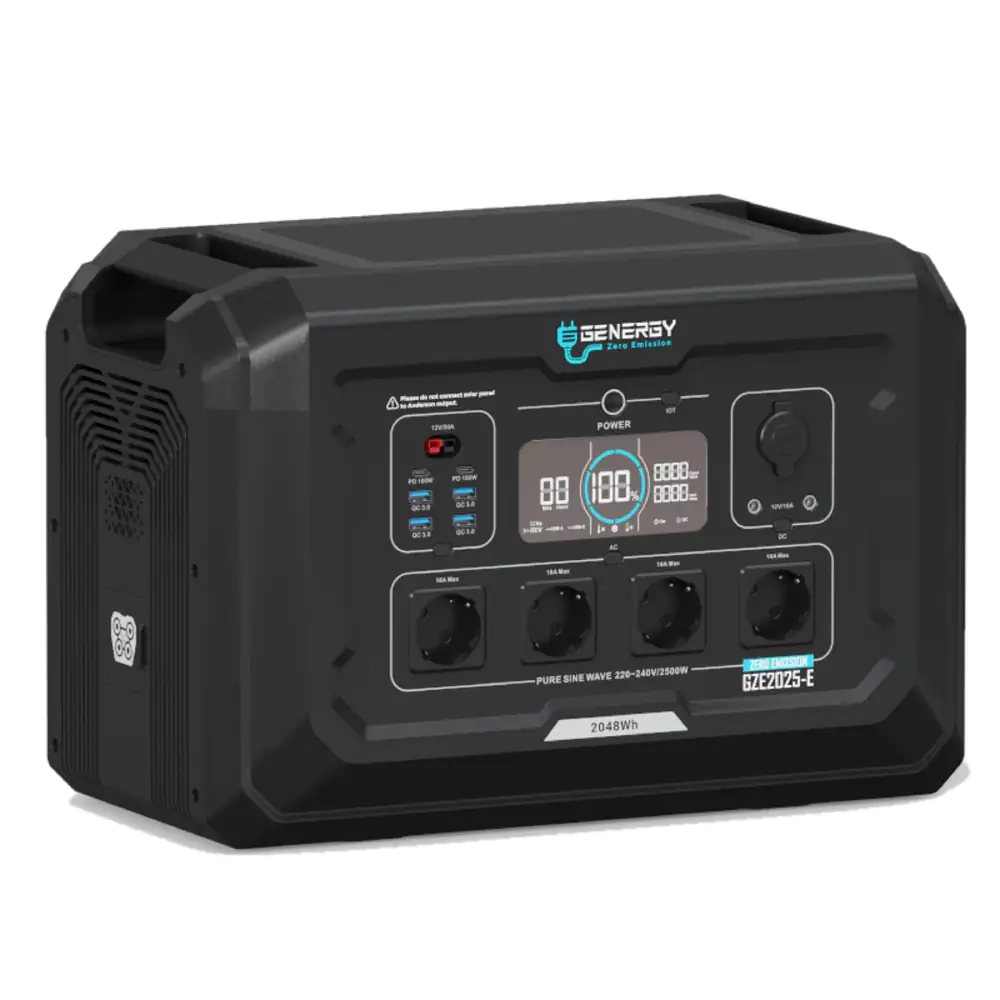
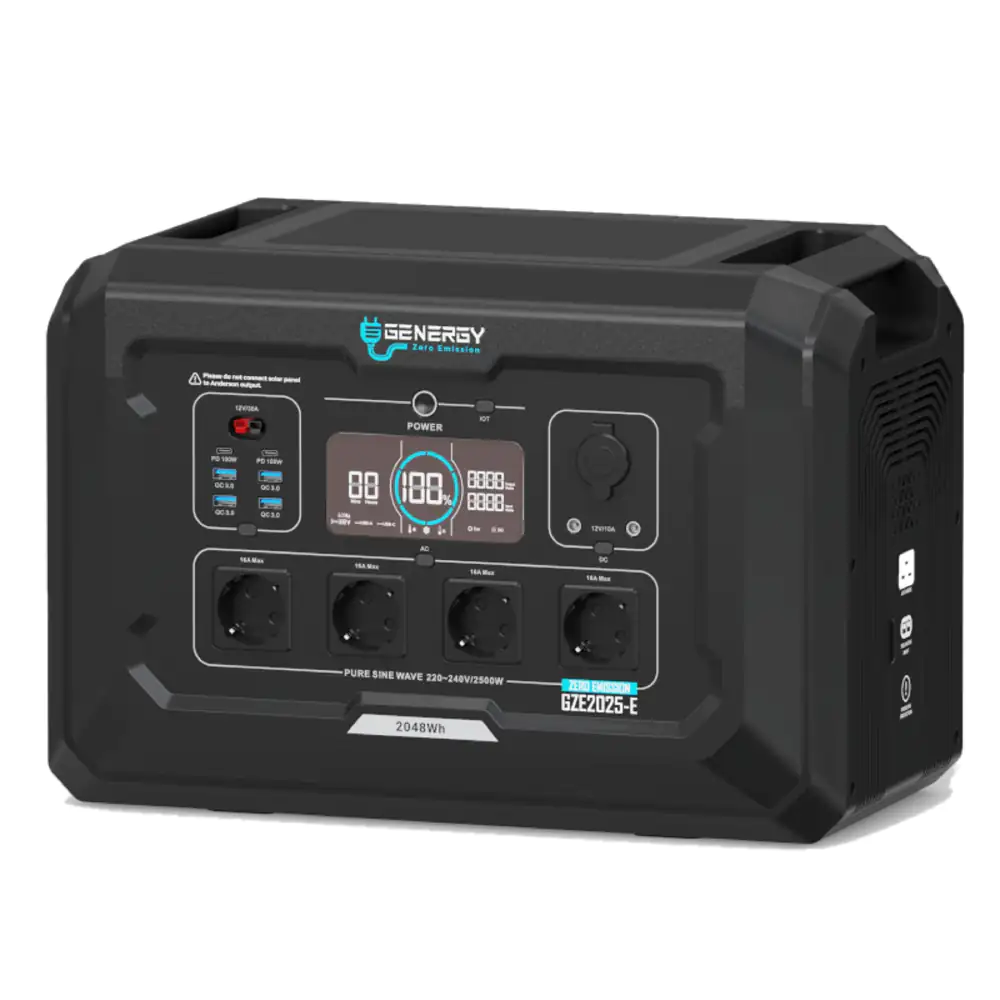
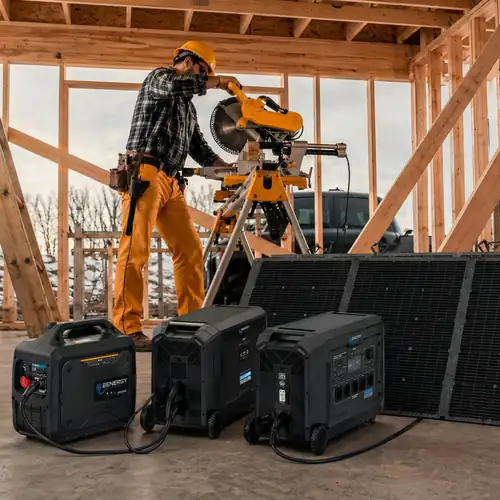
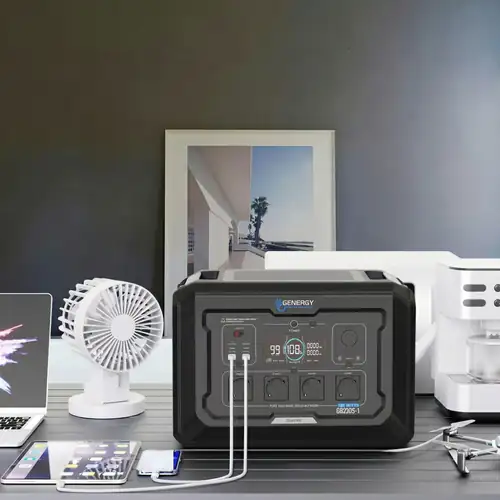
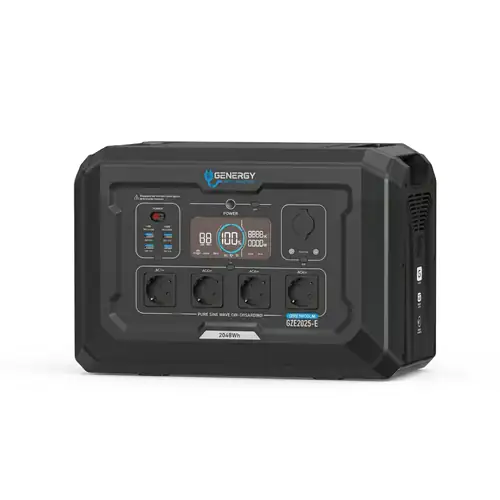
(Illustrative image)
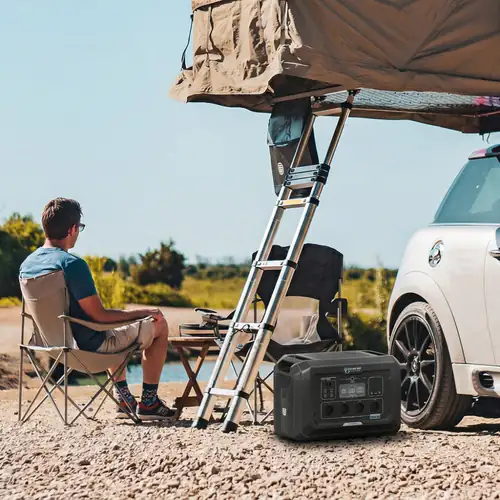
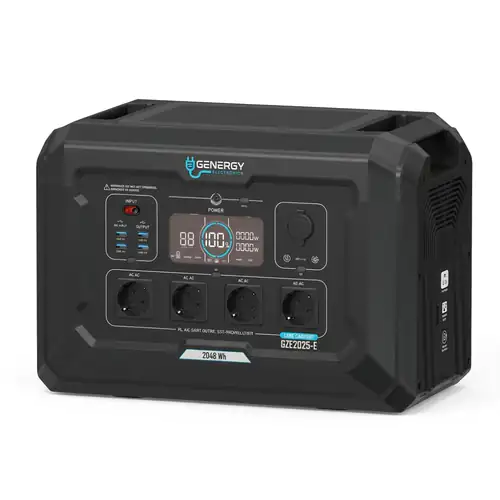
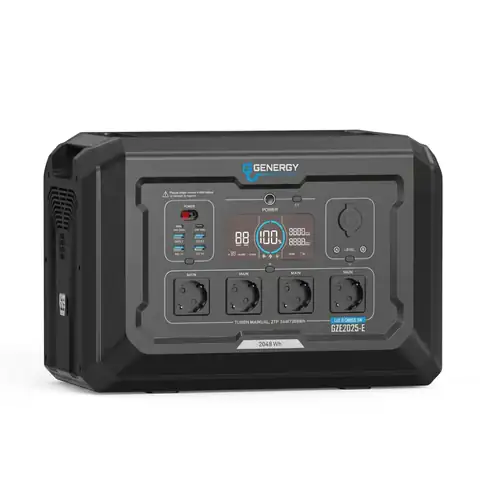
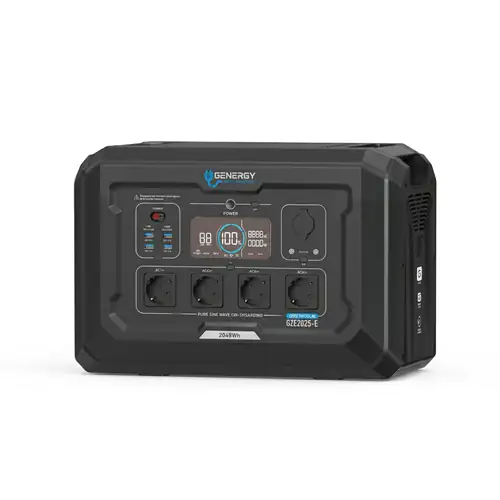
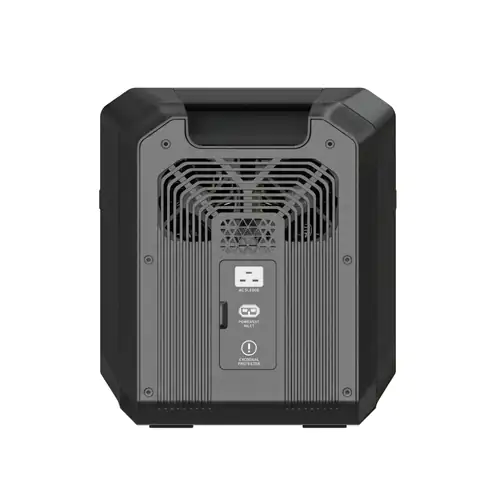
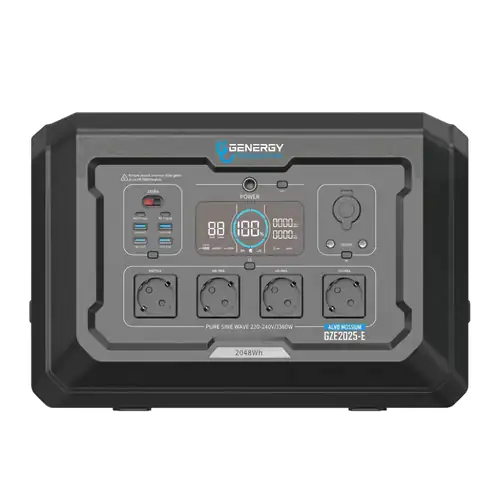
| Battery capacity | 2048 Wh |
| Battery type | LiFePO4 (lithium iron phosphate) |
| Life cycle | 4000 cycles above 70% capacity; 3500 cycles above 80% |
| Continuous output power at 230 V | 2500 W |
| Peak power at 230 V | 5400 W |
| Wave type | Pure sinusoidal |
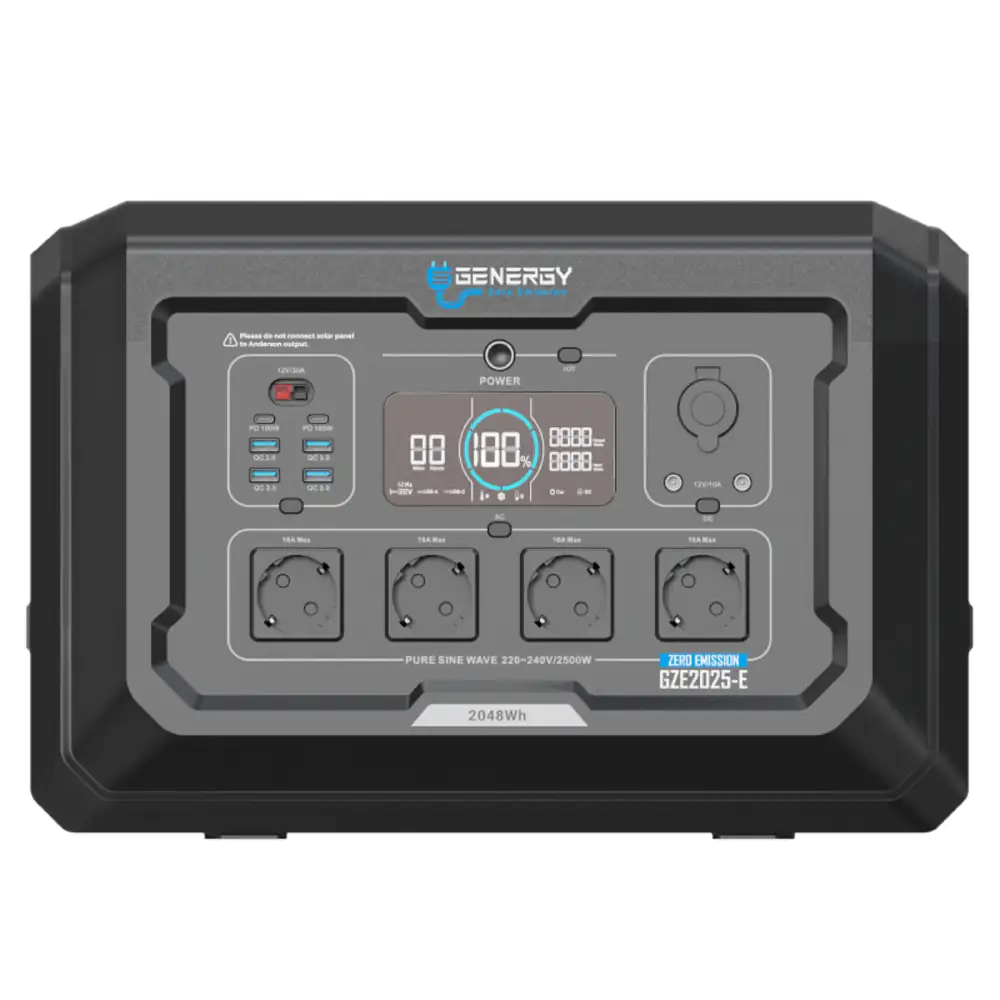
| Number of 230 V sockets | 4 |
| USB-C PD | 2 ports, up to 100 W |
| USB-A QC 3.0 | 4 ports, up to 18 W |
| Anderson output | 12 V/30 A |
| Take for automobile | 12 V/10 A |
| Total number of ports: | 12 |
| Input power via electrical grid | 1600 W |
| approximately 1.5 hours (0–100%) and 1 hour (0–80%) | |
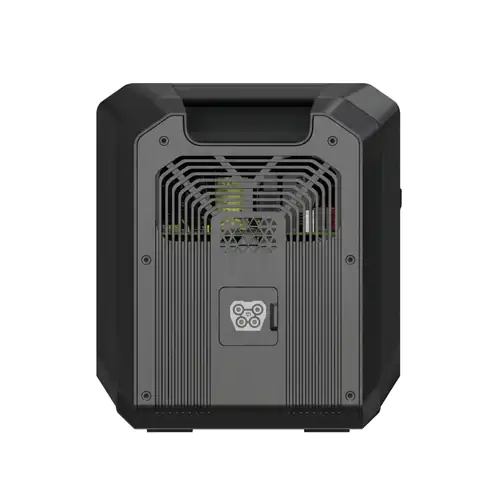
| Solar panel input | Anderson, up to 2100 W, 18–140 V/15 A |
| Loading via vehicle | Yes |
| Solar controller | Integrated MPPT |
| Dimensions | 460 × 270 × 305 mm |
| Weight | 22 kg |
Leave us your contact information, and a specialist will get in touch.